Gardening Tottenham: Recycling and Sustainability
 Gardening Tottenham is committed to creating an eco-friendly waste disposal area and a truly sustainable rubbish gardening area that supports local biodiversity, reduces landfill, and promotes circular reuse. Our community-led approach brings practical steps and measurable targets together: we are aiming for a recycling percentage target of 70% by 2030 across all garden waste, green materials and reusable items collected from projects across the borough.
We align our waste separation practices with the boroughs' approaches to waste separation — recognising separate streams for food waste, green/garden waste and dry recycling. That means volunteers and members are trained to sort compostables from recyclable plastics, glass and metals before materials are transferred to local processing sites. Clear signage, seasonal workshops and on-site sorting stations make the sustainable rubbish gardening area easy to use and effective for everyone.
 In practical terms, we partner with local transfer stations such as the Edmonton EcoPark and the North London transfer hubs managed by the regional authority. These facilities accept separated garden and food waste, bulk green compostables, and items suitable for reuse. Using nearby transfer stations reduces transport miles and ensures materials enter appropriate processing streams — from anaerobic digestion for food waste to municipal composting for green cuttings.
Sustainable Partnerships and Community Reuse
 We work closely with charities and social enterprises to keep usable items out of landfill. Partnerships include collaboration with organisations like Groundwork London and local reuse charities that accept tools, planters, reclaimed timber and building materials. These relationships support a circular economy model where items removed from gardens are cleaned, repaired and redistributed to community projects and residents in need.
Our sustainable gardening Tottenham initiatives include an organised handover programme: tools and usable equipment are catalogued and offered to partner charities; soil and compost are screened and shared with allotment groups; and bulky woody waste is chipped into mulch for community beds. A simple list of regular reuse avenues we operate includes:
- Tool refurbishment for community projects
- Mulch and compost redistribution to local green spaces
- Furniture and timber reuse via charity partners
Transport, Low-Carbon Logistics and Local Collections
To support an eco-friendly waste disposal area we operate a low-emission fleet: electric vans, plug-in hybrids and efficient routing minimise our carbon footprint. Our low-carbon vans include small electric cargo vans and cargo bikes for tight residential streets — a light-touch but effective logistics approach that reduces diesel miles and improves air quality in the Tottenham area.
We also coordinate scheduled collection days aligned with borough recycling calendars. By matching our sustainable rubbish gardening area pick-ups with local collections — for example separate pickups for green waste and for mixed recycling — we reduce double handling and improve capture rates for recyclable materials. This cooperative scheduling supports borough targets and complements council kerbside services.
 Monitoring and Transparency are key: all incoming green and garden waste is weighed and logged, and the proportion diverted to recycling, composting or reuse is tracked monthly. Progress toward the 70% recycling by 2030 goal is published in our community reports so partners and residents can see improvements and areas for action.
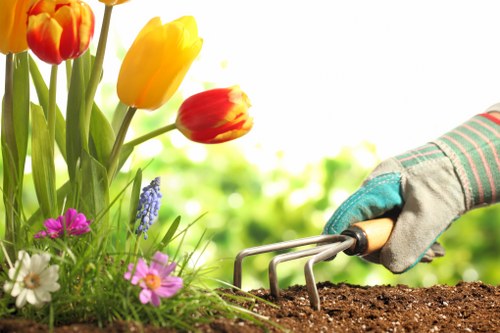 Community involvement is central. Through volunteer clean-ups, swap events and seasonal plant exchanges we reduce the amount of garden debris that needs disposal and increase the flow of items into reuse networks. Volunteers help separate plastic plant pots, sort repaired tools and package up compost for distribution.
Education and behaviour change are part of our sustainable rubbish gardening area model: quick leaflets and workshop sessions show how to rinse plastic pots, separate plant labels, and store soil responsibly. Over time these small changes improve recycling capture rates and reduce contamination in borough waste streams.
Finally, Gardening Tottenham's eco-friendly waste disposal area is more than a collection point; it's a hub for local resilience. By combining clear separation aligned with borough approaches, strong charity partnerships, and low-carbon delivery methods we create a practical, measurable and inclusive route to sustainability. Our multi-pronged strategy — from on-site sorting and partnerships with transfer stations to reuse programmes and electric vans — helps Tottenham convert garden waste into resources, supports community groups and contributes to the wider circular economy.