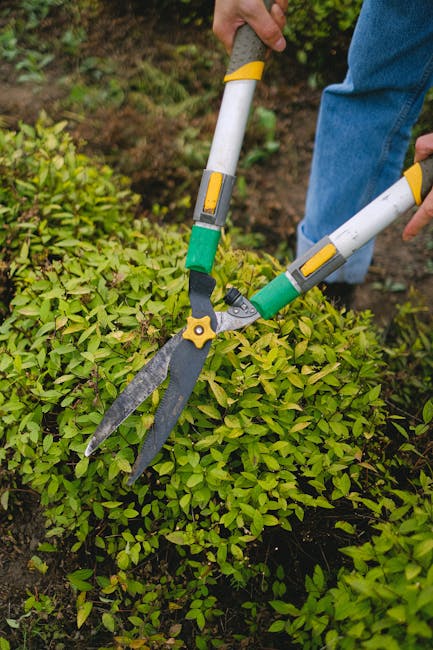
Urgent hedge and tree work Tottenham Hale N17 by gardeners
If a hedge has suddenly shot up over a pavement, a tree looks unstable after a windy night, or branches are brushing windows and cables, you do not want a long wait and a vague promise. You want urgent hedge and tree work Tottenham Hale N17 by gardeners who can assess the problem properly, act safely, and tidy up without turning your garden into a mess. That is the real need here: fast help, yes, but also calm, competent help.
In Tottenham Hale, gardens can be compact, exposed, and a bit awkward to work in. Narrow access, neighbouring fences, shared boundaries, and the usual London squeeze all make urgent outdoor work feel more pressing than it first sounds. This guide explains what urgent hedge and tree work involves, how it is typically handled, when it matters most, and how to choose the right gardener-led service without overcomplicating things.
Whether you are dealing with an overgrown hedge, a damaged limb, or a tree that needs immediate attention, you will find practical advice below. And if you are comparing services, it also helps to understand the difference between routine trimming and more serious work such as tree lopping and removal, or when a quick tidy-up is better handled through hedge trimming and ongoing garden maintenance.
Table of Contents
- Why urgent hedge and tree work matters
- How urgent hedge and tree work works
- Key benefits and practical advantages
- Who this is for and when it makes sense
- Step-by-step guidance
- Expert tips for better results
- Common mistakes to avoid
- Tools, resources and recommendations
- Law, compliance, standards, or best practice
- Options, methods, or comparison table
- Case study or real-world example
- Practical checklist
- Conclusion
- Frequently asked questions
Why urgent hedge and tree work matters
Urgent hedge and tree work is not just about making things look neat before visitors arrive, although that does happen. More often, it is about reducing immediate risk. A hedge leaning into a path can obstruct visibility. A split limb can shed debris in high wind. An overgrown crown can rub against a roof or block light so heavily that a garden feels dark and damp by mid-afternoon. Not ideal.
In Tottenham Hale N17, where outdoor space is often shared closely with neighbours and public walkways, even a modest issue can become a nuisance quickly. A hedge that was "fine last week" may now be encroaching on access. A tree that looked harmless may have lost a branch after a storm, leaving jagged ends and loose material overhead. This is the point where speed matters, but so does judgement.
Truth be told, many people leave hedge and tree work too long because it feels less urgent than plumbing or electrics. But once growth starts interfering with paths, fences, driveways, or light, the problem becomes harder and costlier to correct. If the situation is impacting the rest of the garden too, it can make sense to combine urgent cutting back with wider garden clearance or follow-up care. That often saves time later.
Expert summary: urgent hedge and tree work is most valuable when it restores safety, access, and control fast - without rushing the job so much that the garden is left worse off.
How urgent hedge and tree work works
The process is usually more straightforward than people expect, though every site is different. A gardener or tree-focused team will normally start with a quick assessment of the issue: what is growing, what is damaged, what is blocked, and whether there are any immediate hazards. From there, they decide whether the work is a straightforward cut-back, a more careful reduction, or something that needs specialist tree removal.
A good urgent response should feel organised, not frantic. You should be told what can be done immediately, what should wait, and what might require extra access or equipment. In many cases, hedge work can be completed the same day or very soon after assessment, especially if the job is about reducing growth, clearing passage, or removing loose material. Tree work can be more complex because size, location, decay, and stability all matter.
Gardeners handling urgent work typically focus on practical outcomes:
- restoring safe access around paths, gates, or driveways
- reducing overhang above roads, pavements, or neighbouring boundaries
- removing broken or storm-damaged branches
- shaping hedges so they stop crowding nearby structures
- clearing debris so the area can be used again
If the job is tied into broader outdoor improvements, you may want to look at the wider services overview to understand where urgent hedge and tree work sits alongside other garden services. Sometimes the sensible route is a one-off emergency tidy. Sometimes it is the beginning of a proper recovery plan. Both are fine. Really.
Key benefits and practical advantages
The obvious benefit is speed. But there are several other practical advantages that matter just as much, especially if you live in a busy part of London where small issues tend to compound.
1. Immediate safety improvement
Removing unstable branches, heavy overhang, or sharp broken stems lowers the risk of injury and property damage. That is especially important after wet weather or a windy spell, when things can look stable but not actually be stable. You know the sort of day - leaves everywhere, a few creaks in the fence, and one branch that suddenly makes everyone nervous.
2. Better access and visibility
When hedges block entrances, narrow a path, or obscure sightlines, urgent cutting back makes the space easier to use straight away. This matters for residents, visitors, delivery access, and even simple day-to-day movement in and out of the property.
3. Reduced neighbour friction
Let's face it, overhanging hedges and trees can cause tension faster than people expect. A prompt response often prevents complaints before they turn into a bigger issue. A tidy boundary is easier to live with on both sides.
4. Healthier long-term growth
Handled correctly, urgent work does not just "hack things down." It can remove damaged material, improve airflow, and make later maintenance easier. That is one reason many gardeners prefer to combine urgent intervention with planned follow-up care through hedge trimming or regular garden maintenance.
5. Less disruption overall
Fast action prevents a small problem from becoming a multi-visit job. A hedge left to burst over a boundary can demand heavier cutting later. A split branch ignored for too long can mean more waste, more risk, and more clean-up. Fast, sensible work usually ends up being the calmer option. Oddly enough.
Who this is for and when it makes sense
Urgent hedge and tree work is not only for emergencies in the dramatic sense. It is also for moments where delay would be inconvenient, unsafe, or simply expensive later on.
This service makes sense if you are:
- a homeowner dealing with sudden overgrowth or storm damage
- a landlord needing the garden to look presentable before new tenants move in
- a property manager handling access issues or boundary concerns
- someone whose hedge or tree is affecting light, privacy, or safety
- a resident preparing for building work, inspections, or a sale
It is especially relevant when growth starts affecting multiple parts of the site at once. For example, a hedge might be obstructing a side passage while a tree sheds debris onto a patio. In that case, the most efficient fix may be a mix of urgent hedge reduction, selective tree work, and a broader tidy-up. If the site has become cluttered as a result, a coordinated visit that includes garden clearance can save a lot of back-and-forth.
When does it stop being a "nice to do" and start being a "must do"? A useful rule of thumb is this: if the problem is affecting safety, access, neighbour relations, or the condition of the plant itself, it is probably time to act. Simple enough.
Step-by-step guidance
Here is a practical way to think about the process from first call to finished job. No drama, just a sensible sequence.
- Assess the issue calmly. Look at what is actually wrong. Is the hedge too high, too wide, or damaged? Is the tree dropping branches, leaning, or blocking access? Take a couple of photos if that helps you explain it clearly.
- Decide how urgent it really is. Some issues need immediate attention. Others need prompt but not emergency action. A branch hanging over a path needs quicker action than a hedge that is simply becoming unkempt.
- Check access and hazards. Make note of gates, bins, parked cars, overhead lines, sheds, and anything fragile nearby. In tight Tottenham Hale spaces, that little bit of prep can make a huge difference.
- Request a clear, practical quote. Ask what is included: cutting, shaping, waste collection, clean-up, and whether any extra labour may apply if the site is awkward. The more precise the quote, the less awkward the day turns out to be.
- Agree the scope before work starts. Decide whether you want a light reduction, a full tidy, or a more thorough clearance of damaged material. A rushed conversation can lead to the wrong finish.
- Make sure safety comes first. For tree work, that may mean controlled cutting, careful positioning, or avoiding work in bad weather. For hedge work, it may mean stepping back from fences, paths, or windows to prevent damage.
- Review the finish. Check the shape, the cleared debris, and whether access has been restored properly. A good job should feel neat, usable, and obviously safer.
That process is simple, but it works. And in urgent situations, simple is usually your friend.
Expert tips for better results
The best urgent hedge and tree work is not about cutting the most. It is about cutting the right amount in the right places. A few practical pointers can make a real difference.
Work with the plant's natural shape
Hedges and trees look better when they are cut in a way that respects their form. Hard, uneven cuts can leave them thin on one side and dense on the other. A skilled gardener will usually aim for balance and recovery, not just a quick visual fix.
Do not ignore the cause
If a hedge has exploded in growth because it has not been maintained for a season or two, urgent trimming will help now, but it will not solve the underlying pattern. A proper follow-up plan matters, otherwise you are back in the same spot six weeks later.
Be honest about how much needs doing
People often understate the scale of the issue because they do not want to sound dramatic. Fair enough. But if the tree is dropping branches, say so. If the hedge is blocking light at both ends of the garden, mention that too. The more accurate the picture, the better the result.
Think about the next month, not just today
It helps to ask what the garden will need after the urgent work is done. Will the hedge need shaping again later in the season? Will the tree need follow-up inspection? Will you need mowing or border tidy-up once the major growth is cleared? Services like lawn mowing can finish the space off nicely after heavier work, especially if the grass has been hidden under trimmings and shade.
Use the quiet weather window if you can
Early mornings or calmer dry spells often give better working conditions. The sound of the shears, a bit of breeze, less mud underfoot - small things, but they matter. A rushed wet-day job can still be done, of course, but the finish is often better when the conditions are kinder.
Common mistakes to avoid
A lot of avoidable problems happen before the gardener even arrives. Here are the ones that come up most often.
- Leaving the problem too long. Overgrowth gets heavier, messier, and harder to correct. Small issues turn stubborn fast.
- Calling it a simple hedge job when it is really tree work. That can delay the right equipment or approach. Be precise.
- Wanting everything cut back hard at once. Aggressive reduction may not suit the plant or the season. Sometimes less is better.
- Forgetting access details. Locked side gates, awkward parking, and fragile planting beds can slow things down more than people expect.
- Not discussing waste removal. A job can look finished and still leave a mountain of cuttings behind. Not ideal at all.
- Choosing only on speed. Fast matters, but safe and competent matter more.
One small but important point: if a tree looks unstable, do not try to sort it yourself with a ladder and a saw from the shed. That is a bad combo. Honestly, it is the kind of plan that sounds brave for about ten seconds.
Tools, resources and recommendations
For urgent hedge and tree work, the right tools are not just about cutting power. They are about control, safety, and finish quality.
Useful equipment often includes:
- hedge trimmers for clean, even shaping
- secateurs and loppers for finer cuts and smaller woody stems
- pruning saws for thicker growth
- poles and cutting tools for higher but manageable reach
- protective gloves, eye protection, and sturdy footwear
- tarps, bags, or collection methods for tidy waste control
For many jobs, the most important "resource" is not a tool at all. It is a clear understanding of what outcome you want. Do you want privacy restored? Access reopened? Storm damage removed? A hedge brought back into line without stripping it bare? Saying that early helps the gardener work efficiently.
If you are comparing services more broadly, it can also help to review related pages such as garden maintenance and landscaping to understand how urgent work might fit into a wider plan. In some gardens, a quick intervention is only the first step. In others, it is enough.
Law, compliance, standards, or best practice
Without pretending every job is governed the same way, hedge and tree work in the UK should always be approached with care and common sense. There may be practical considerations around boundaries, neighbouring property, wildlife, access, and property responsibility. If a tree is shared, protected, or otherwise sensitive, extra caution is wise. If branches extend near utilities or public areas, that needs careful handling too.
Best practice usually means:
- checking who owns or is responsible for the hedge or tree
- avoiding unnecessary damage to roots, trunks, or nesting areas
- keeping the site safe for residents, visitors, and neighbours
- using appropriate equipment and competent labour
- disposing of waste responsibly
Some homeowners also want reassurance about business standards, insurance, and how safety is handled on site. That is perfectly reasonable. Pages like insurance and safety and health and safety policy can help explain how a professional approach is usually organised. If you care about how green waste is handled, recycling and sustainability is worth a look too. Not glamorous, maybe, but important.
For customers, the main takeaway is simple: urgent work should still be careful work. Speed should never be an excuse for poor judgement.
Options, methods, or comparison table
Not every overgrown hedge or tree issue needs the same response. The right method depends on risk, size, access, and how quickly you need the result.
| Method | Best for | What it usually achieves | Watch out for |
|---|---|---|---|
| Light hedge trimming | Small overgrowth, boundary tidy-ups, access issues | Quick shaping, clearer paths, cleaner lines | Can be too mild if growth is severe |
| Heavier hedge reduction | Hedges that have run away in size | Restores control and reduces bulk | Should be done carefully to avoid harsh thinning |
| Selective tree pruning | Broken, crowded, or rubbing branches | Improves safety and structure | Needs sensible judgement on which limbs to remove |
| Tree lopping or removal | Serious damage, instability, or unsuitable trees | Removes risk or resolves major obstruction | Usually the most disruptive option, so it must be justified |
| Combined garden clearance | Storm debris, tangled borders, neglected plots | Resets the space and restores usability | Can take longer if the site has a lot of waste |
There is no single best option. A hedge that just needs a tidy is not the same as a tree with storm damage. Obvious, perhaps, but worth saying because people often ask for one thing when the garden needs another.
Case study or real-world example
A typical Tottenham Hale scenario goes like this. A resident notices that a hedge along the side return has grown into the narrow passage they use for bins and bikes. At the same time, a small tree in the back corner has lost a branch in wind, leaving loose debris and a few awkward jagged ends. Nothing dramatic enough for panic, but enough to be annoying and a little worrying.
The practical response is not to overthink it. The gardener visits, checks access, trims back the hedge so the side path is usable again, removes the damaged branch safely, and clears the waste. The resident gets their passage back, the garden feels larger, and the neighbour no longer has to brush past a hedge every morning. By the next week, the whole space feels calmer. You notice the light again, oddly enough.
What made that job successful was not just the cutting. It was the sequence: assess, prioritise, clear, tidy, and then leave the garden in a state that actually works. That is the difference between an urgent fix that lasts and a quick hack job that merely postpones the problem.
Practical checklist
Use this checklist before booking urgent hedge and tree work in Tottenham Hale N17.
- Identify the exact problem: hedge overgrowth, damaged branches, blocked access, or all three
- Take photos if the issue is hard to describe
- Check whether the work feels urgent for safety or access reasons
- Note any nearby hazards such as fences, sheds, parked cars, or low walls
- Decide whether waste removal is needed
- Ask if the job should be handled as hedge trimming, tree work, or a mixed service
- Clarify whether you want a one-off tidy or a longer-term maintenance plan
- Confirm how the area will be left after work is completed
- Ask about insurance, safety, and responsible waste handling
- Keep expectations realistic if the growth is severe or access is tight
Helpful reminder: if the hedge or tree issue is affecting daily life now, it is already worth dealing with. Waiting for the "right week" often just means the job gets bigger.
Conclusion
Urgent hedge and tree work Tottenham Hale N17 by gardeners is really about restoring control quickly and safely. It is for the moments when a garden has stopped behaving itself, when growth has spilled into access routes, or when damaged branches have made everything feel a bit tense. The right response is fast, but it is also measured, tidy, and rooted in practical judgement.
If you take one thing away, let it be this: urgent work should solve the immediate issue without creating a new one. That means sensible cutting, proper clearance, safe handling, and a finish that makes your space easier to live with. And if the job turns out to be part of a wider garden reset, that is fine too. Most gardens are not fixed in one go. They come back in stages.
If you want to keep things simple, start with a clear description of the problem and choose a team that understands both speed and care. That is usually the sweet spot.
Get a free quote today and see how much you can save.
Sometimes the best garden jobs are the ones that quietly remove stress from your week. No fuss, no drama, just a safer, calmer space to step into.
Frequently Asked Questions
What counts as urgent hedge and tree work?
Urgent work usually means the hedge or tree is creating a safety issue, blocking access, causing damage, or likely to get worse quickly. Broken branches, heavy overhang, or a hedge that is swallowing a path would all fit that description.
Can gardeners handle both hedge trimming and tree work?
Often, yes. Many gardeners can manage hedge trimming and lighter tree-related tasks, while more complex or risky tree work may need a specialist approach. It depends on the size of the tree, the location, and the condition of the branches.
How quickly can urgent hedge and tree work be done in Tottenham Hale N17?
That depends on the season, access, and how serious the issue is. Some hedge jobs can be handled very quickly, while more complicated tree work may need assessment first. If you need speed, explain that clearly when you enquire.
Is storm damage always an emergency?
Not always, but it should be checked promptly. A broken branch may look harmless from the ground and still be unstable. If there is any risk to people, property, or access routes, it should be treated seriously.
Should I choose hedge trimming or tree removal?
If the issue is mainly overgrowth, hedge trimming or reduction is usually the first thought. Tree removal is a bigger step and is generally only appropriate when the tree is unsafe, badly positioned, or no longer suitable for the space.
What should I do before the gardeners arrive?
Clear access if you can, move cars or bins if needed, and point out any fragile areas, hidden hazards, or boundary concerns. A few minutes of preparation can make the visit smoother. Really, it helps a lot.
Will urgent hedge and tree work create a lot of mess?
There will usually be some debris, but a professional job should include tidy-up and removal of cut material. If waste handling matters to you, ask about it beforehand so there are no surprises.
How do I know if a tree is too risky to leave alone?
Visible splitting, leaning that has changed suddenly, hanging branches, or repeated branch drop are all warning signs. If you are unsure, it is better to get it assessed rather than hoping it settles down on its own.
Can urgent work be combined with regular maintenance?
Yes, and that is often the smartest option. Once the immediate issue is sorted, regular maintenance can stop the same problem from returning so quickly. It is a very normal next step.
What if my hedge is affecting a neighbour's side of the boundary?
That is common in dense London gardens. The first step is to identify the actual boundary and agree on what needs doing. A calm, prompt response usually prevents tension and keeps everyone on friendlier terms.
Does urgent tree work always mean heavy pruning?
No. Sometimes only a few damaged limbs need removing. Good practice is to remove what is necessary, then leave the tree in the best possible condition for recovery rather than overcutting it.
Where can I learn more about the company's approach to safety and payments?
If you want more background before booking, it is sensible to review the company's pages on about us, pricing and quotes, and payment and security. That gives you a clearer picture of how things are handled.